People have told me that I remember things, A to Z, that most people don’t remember. I know odd things like obscure songs from long before I was born, who wrote them and why, as well as the minor characters in B movies and who played them.
It’s not that I try to remember these things. It’s more that there seems to be something appealing to my mind about the obscure pop cultural oddity – the strange inside jokes about Eisenhower’s family in an old Ethyl Merman film, the quick aside to the audience by Groucho Marx about the latest Eugene O’Neill play, or any reference to performances by the once huge and now pretty much forgotten instrumental star Fred Waring and his Pennsylvanians (he also invented the blender that carries his name).
Something about the detritus of times gone by, the very ephemerality of these things, must somehow be beautiful to my psyche, because my psyche can’t seem to get enough.
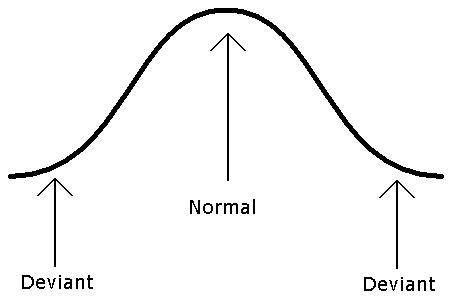
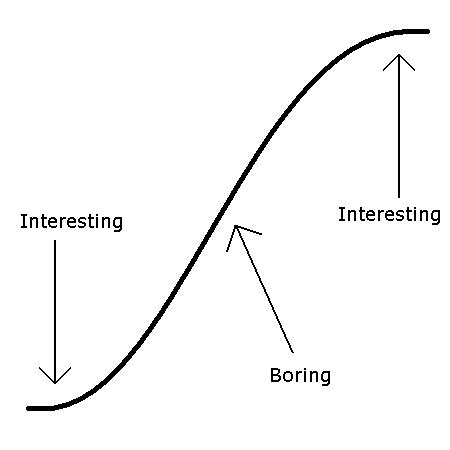
But my memory is not really A to Z, it’s more Z to A. I do really well with the “long tail” – the stuff nobody else seems to remember – but I’m pretty much a disaster when it comes to the stuff everybody knows.
For example, it was many years before I knew what people were talking about when they referred to “Mickey D’s”. I somehow thought it was an oddball reference to Walt Disney’s animated mascot. Finally one day somebody explained to me that it’s a nickname for McDonalds – the ubiquitous fast food giant. Who knew? Well, apparently everybody but me.
Similarly, I never knew what people were talking about when they said they were going to IHOP. It sounded cool, like maybe some sort of Hopi Indian themed restaurant, and I thought it might be nice to try it out some day. Imagine my surprise when one day somebody clued me in that all those people were actually referring to the International House of Pancakes, another popular American restaurant chain. I had eaten there many times, but had simply never made the connection.
Perhaps one of my strangest misunderstandings was over “It’s All about the Benjamins” – the 2002 inner city action film. I completely got, from the ads, that it was about tough young black dudes trying to make it in an unforgiving world. But in my mind the title conjured up an image of a family – the Benjamins – and I somehow thought that at heart this was a family film. As in: “We may badass inner city black dudes with guns, but in the end it’s family that counts – just keepin’ it real.”
Turns out that the “Benjamin” in the title (originally from a 1996 song turned into a megahit by Puff Daddy in 1998) refers to the image of Benjamin Franklin on $100 bills – a cynical reference to making money any way you can. Boy was I off base.
I still think it would have been interesting to make the other movie – the one I thought it was. All those tough young black guys in the hood, puttin’ down their semiautomatic weapons long enough to give mom and dad a hug.
But what do I know?